

Quality Standards and Testing Procedures
What to look for when inspecting glassware shipments, common defects to catch, and how to verify specifications from your supplier.
Read GuideUnderstanding the differences between borosilicate types, thermal resistance ratings, and how to match equipment to your specific research needs without overspending.
By
Editorial Team
Written by the quantspan Editorial Team, focused on clear, practical guidance for laboratory glassware sourcing and specifications.
When you're setting up a lab or restocking supplies, it's easy to treat glassware like a commodity. But here's the thing — not all lab glass is created equal. The difference between borosilicate and soda-lime glass isn't just technical. It affects your budget, your safety, and how your equipment performs over years of use.
You'll notice the real impact when you're running high-temperature reactions or handling temperature swings. That's where borosilicate proves its worth. We're going to walk through what makes it different, what the ratings actually mean, and how to figure out what your lab really needs without paying for overkill specs you won't use.
Borosilicate glass contains about 10-15% boric oxide mixed with silica. That small percentage changes everything. Standard soda-lime glass (the kind in windows and cheap beakers) has a thermal expansion coefficient around 9 × 10⁻⁶ per °C. Borosilicate? About 3.3 × 10⁻⁶. That means it expands way less when heated, so it won't crack from temperature shock.
The practical difference: You can heat a borosilicate flask to 250°C and plunge it into room-temperature water without it shattering. Try that with standard glass and you've got a mess. Plus, borosilicate resists chemical corrosion better. It won't degrade from acids or bases the way soda-lime glass does over time.
This guide provides educational information about laboratory glassware selection based on technical specifications and common industry practices. It's not a substitute for consulting with your lab manager, equipment supplier, or safety officer about your specific requirements. Always follow your institution's purchasing guidelines and safety protocols.

Every piece of borosilicate glassware gets rated for thermal shock resistance. You'll see numbers like "Borosilicate 3.3" or references to ISO standards. Don't get intimidated — these ratings tell you exactly what the glass can handle.
ISO 3585 is the standard for borosilicate glass. Type A (the common stuff) can handle about 100°C temperature differences without failing. That means a flask hot from a 200°C oven can be cooled to roughly 100°C without cracking. Type B is even better — about 120°C difference tolerance. For most labs doing regular work, Type A is more than enough. You're only hitting Type B when you're doing intense thermal cycling repeatedly.
Here's what matters: Check the label on your glassware. It should state the thermal shock resistance clearly. If it doesn't, ask your supplier. It's a red flag if they can't tell you the specification.
This is where people waste money. They buy premium borosilicate when standard glass would work fine, or they cheap out on critical pieces and regret it later.
Ask yourself these questions: What's your maximum working temperature? Are you doing thermal cycling (heating and cooling repeatedly)? How often do you handle the glass — is it sitting on shelves or getting daily heavy use? What chemicals are you working with? Some organic solvents can degrade soda-lime glass surprisingly fast, while they don't touch borosilicate.

Borosilicate costs more upfront. A basic soda-lime beaker might be $2-3. A borosilicate one? $8-15. Over a hundred pieces, that's real money. But here's the reality check: If your borosilicate flask lasts 5 years instead of 18 months, you're ahead financially. Plus you avoid downtime from broken equipment during critical experiments.
When ordering in bulk, you'll get better pricing. Most suppliers offer 10-20% discounts for orders over 50 units. That's where you actually save. A mixed order of standard glass for storage and handling, with premium borosilicate for your high-use pieces, balances budget and performance.
Don't overbuy. It's tempting to stock extra when you've got bulk pricing, but glassware takes space. Better to reorder more frequently in smaller quantities unless you've got storage room.
Choosing borosilicate glass comes down to matching specifications to reality. You don't need premium borosilicate for everything — that's wasteful. But for pieces that see heat, thermal cycling, or chemical stress, it's the right call. The difference in lifespan and safety pays for itself.
Start by auditing what you actually use. Talk to your lab staff about what breaks, what lasts, and what they'd prefer. Then build your next order around that. Mix standard glass for basic work with borosilicate where it matters. You'll end up with a setup that works harder, lasts longer, and doesn't drain your budget.
Continue learning about laboratory glassware selection and management
What to look for when inspecting glassware shipments, common defects to catch, and how to verify specifications from your supplier.
Read Guide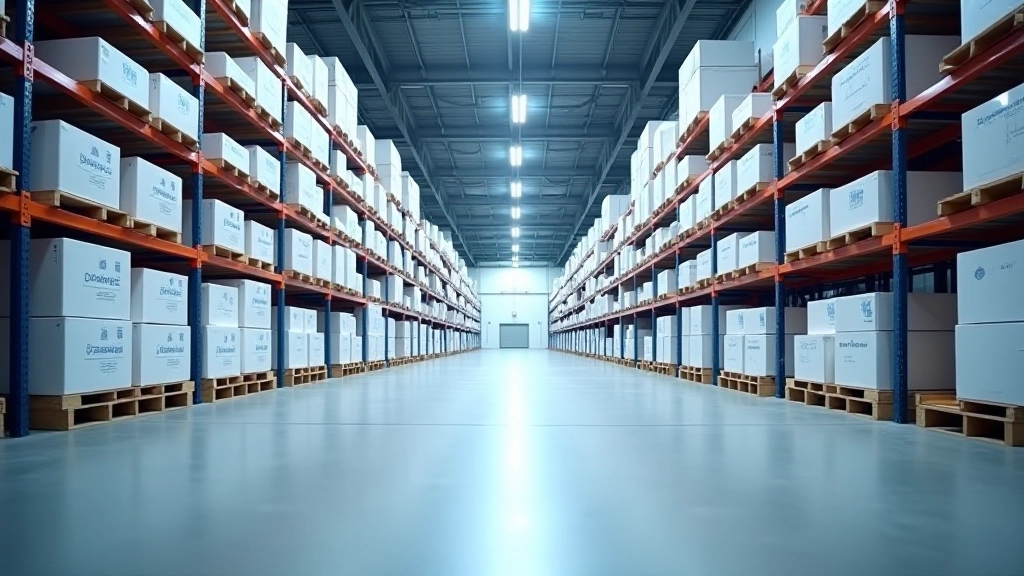
How to structure wholesale orders, negotiate better pricing, handle shipping fragile equipment, and manage inventory efficiently.
Read Guide
Proper storage techniques, handling procedures, temperature management, and chemical compatibility to keep your glassware and team safe.
Read Guide