
Choosing the Right Borosilicate Glass for Your Lab
Understanding the differences between borosilicate types, thermal resistance ratings, and selecting equipment that matches your specific research needs.
Read ArticleProper storage, handling techniques, temperature management, and chemical compatibility considerations to extend equipment lifespan and protect your research team.
Author
Editorial Team
Written by the quantspan Editorial Team, focused on clear, practical guidance for laboratory glassware sourcing and specifications.
Borosilicate glassware represents a significant investment for any research facility. When you're storing hundreds of beakers, flasks, and graduated cylinders, one mistake during handling can damage equipment and put your team at risk. That's why we're breaking down the essentials you need to know.
It's not just about preventing breakage — though that's certainly important. Improper handling can introduce contamination, create thermal shock that weakens glass, and expose your staff to unnecessary injury. We've worked with labs across Europe, and we've seen how the right practices transform safety outcomes. Most facilities see fewer incidents within weeks of implementing these guidelines.

Storage conditions determine glassware lifespan. Borosilicate glass performs best in stable, dry environments. We recommend storing equipment between 15–25°C, with humidity levels below 60%. Temperature fluctuations cause stress on the material, and moisture accelerates deterioration of any labels or markings.
Don't store glassware near doors or high-traffic areas. We've seen labs reduce accidental breakage by 40% simply by relocating storage to quieter zones away from foot traffic.
This guide provides general best practices for laboratory glassware handling and storage. Specific requirements may vary based on your facility's equipment, chemical inventory, and local regulations. Always consult your facility's safety officer and chemical safety data sheets (MSDS) for handling protocols specific to your research environment.
How you move glassware from storage to use determines whether it survives intact. Most damage doesn't happen during experiments — it happens during transport and setup. Your team needs clear protocols, and they need to practice them consistently.
Start with a simple rule: one hand for transport, never rushing. When you're carrying a beaker, flask, or graduated cylinder, keep it at waist level and maintain contact with your body. Don't swing items or carry multiple pieces stacked together. One piece at a time isn't inefficient — it's the difference between a working lab and a damaged one.
Inspect glassware visually before handling — look for hairline cracks, chips, or rough edges
Dry your hands completely — wet hands lose grip and cause accidental drops
Use both hands for large vessels (over 500ml capacity) — support from bottom and side
Never place glassware near the edge of benches or shelves
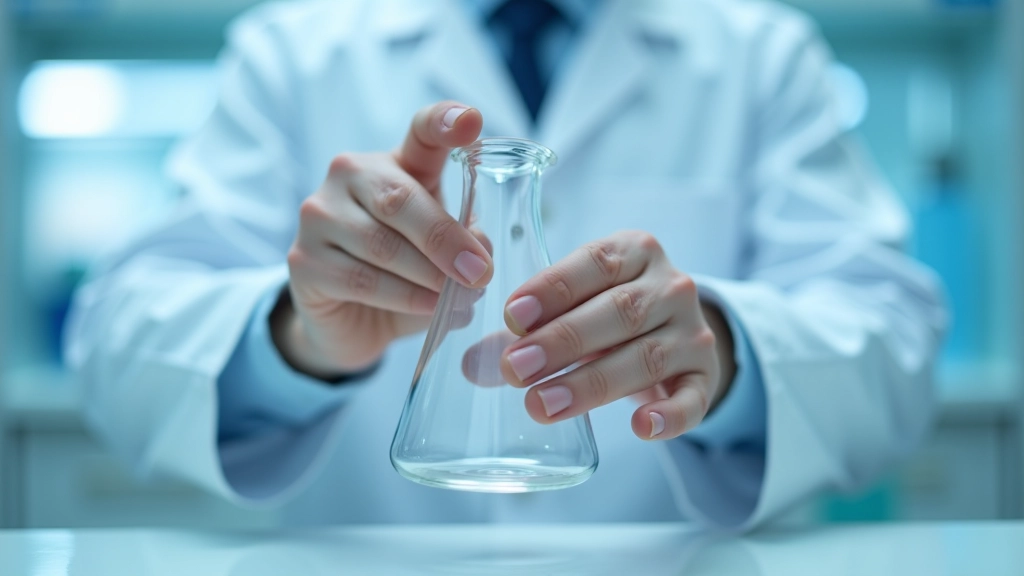
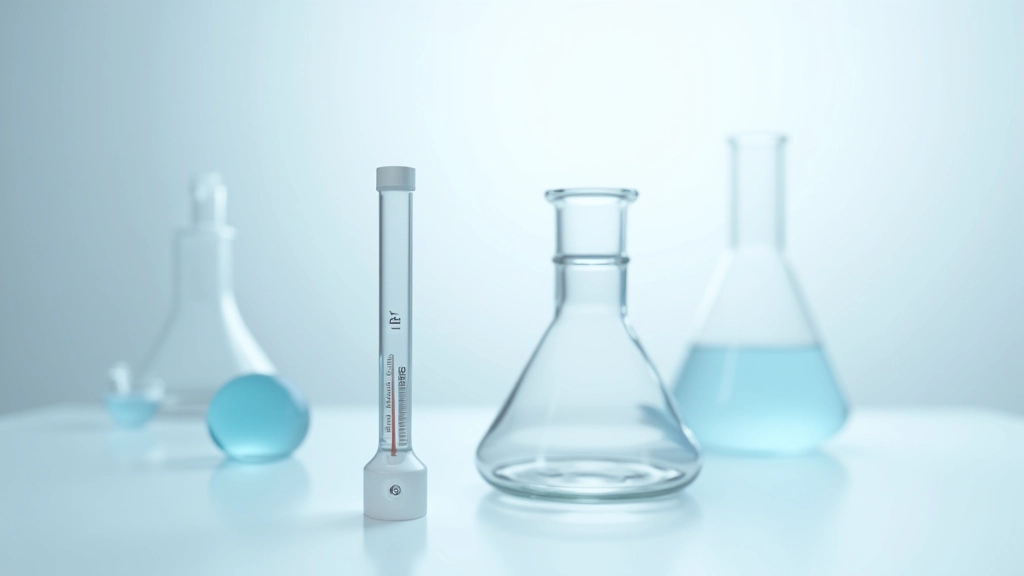
Borosilicate glass is famous for its heat resistance, but that doesn't mean you can ignore temperature. Thermal shock — rapid temperature changes — is the silent killer of lab equipment. When you move a hot flask directly to a cold surface or immerse it in cold water, the outer layer contracts faster than the interior. Stress builds. Cracks form. Sometimes immediately, sometimes weeks later.
Don't stack hot glassware. Don't place it on cold counters. Don't run cold water over heated equipment. We know it's tempting when you're in a hurry, but these moments cost facilities thousands in replacements annually. Let equipment cool to room temperature naturally. It takes 20 minutes. Your equipment will last 5+ years instead of 18 months.
Prevention starts with awareness. Here's what actually works:
Not all chemicals play nicely with borosilicate glass. While borosilicate resists most organic solvents and dilute acids beautifully, some compounds cause issues. Strong alkaline solutions (sodium hydroxide, potassium hydroxide) at high concentrations can etch the glass surface over time. Hydrofluoric acid attacks borosilicate directly — never use it in standard lab glassware.
Borosilicate handles most laboratory work beautifully. Dilute acids, bases, and organic solvents work fine. Acetone, methanol, ethanol — all compatible. Aqueous solutions of salts and dilute acids won't damage your equipment. This is why it's the standard across research facilities.
Store containers with clear labeling. Include the chemical name, concentration, and date. You'll catch problems early if something starts reacting with the glass.
Avoid storing concentrated strong bases in borosilicate long-term. Hydrofluoric acid is completely off-limits. Certain specialty applications require plastic or alternative materials. When in doubt, check the MSDS and consult your safety officer. It's a 5-minute conversation that prevents equipment failure.
Document what's stored where. Rotating stock regularly ensures nothing sits unused and forgotten for years. Older batches can accumulate dust and contamination.
Clean glassware after every use — that's non-negotiable for contamination control. But clean it the right way. Hot water and appropriate detergent, yes. Abrasive scrubbing pads, no. Steel wool scratches the surface and creates weak points where stress can concentrate. Use soft brushes and let detergent do the work.
Inspect equipment monthly. Look for clouding (which can indicate etching), small cracks, or discoloration. Damaged pieces should be retired. It's tempting to keep them for less critical tasks, but compromised glass is compromised glass. One crack can fail suddenly under thermal stress or pressure.
Rinse with hot water, wash with detergent, air dry on lint-free cloth
Check storage areas for debris or spilled chemicals that could damage equipment
Visual inspection of frequently-used pieces for cracks, clouding, or damage
Full inventory review, retire damaged items, document condition of equipment
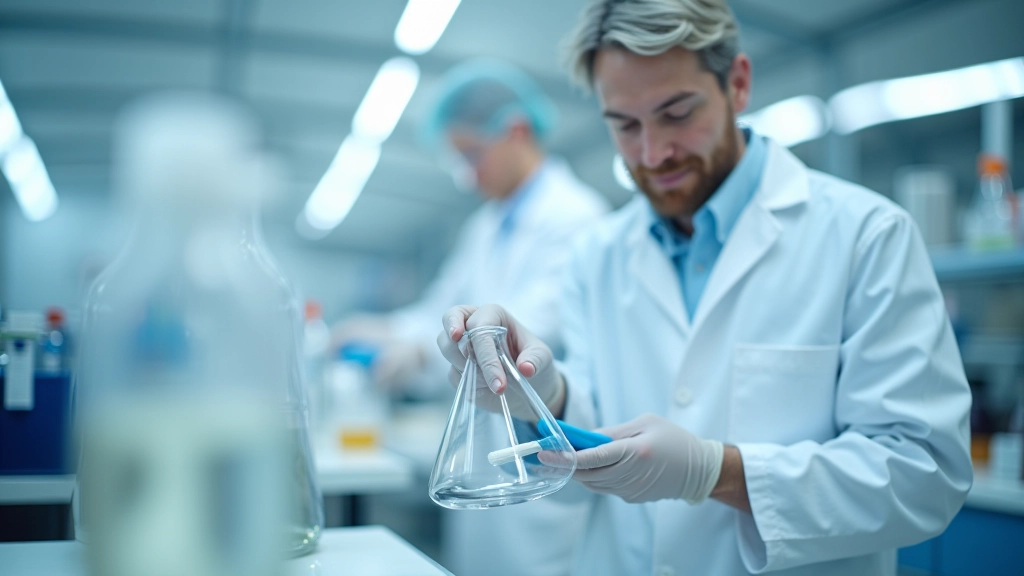
Implementing these practices isn't about creating rigid rules. It's about building a lab culture where everyone understands why these steps matter. When your team sees that proper handling reduces damage and accidents, they'll adopt these habits naturally.
Start small. Pick one area — maybe storage first. Get that right. Then move to handling protocols. Then temperature management. Before long, you'll have a comprehensive safety system that everyone follows because they understand the value. Equipment lasts longer, your team stays safer, and your budget stretches further. That's the real return on proper practices.
Expand your knowledge on laboratory glassware sourcing and management
Understanding the differences between borosilicate types, thermal resistance ratings, and selecting equipment that matches your specific research needs.
Read Article
What to look for when inspecting glassware shipments, common defects to identify early, and quality assurance processes that protect your investment.
Read Article
How to structure wholesale orders, negotiate better pricing, handle shipping fragile equipment, and optimize your procurement process.
Read Article